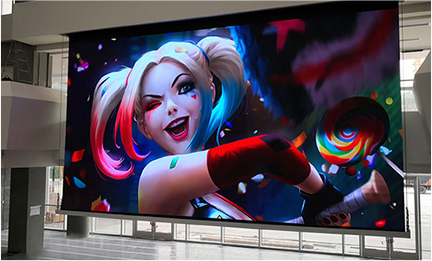
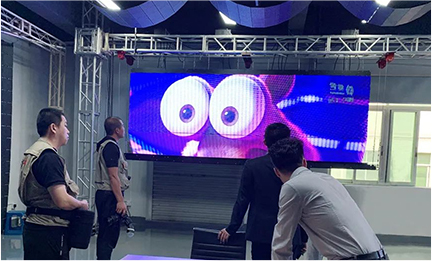
As display technology continues to evolve, the thin flexible LED screen has emerged as one of the most innovative solutions in the digital display industry. Combining ultra-thin design, flexibility, and high visual performance, this technology is transforming how businesses create immersive and dynamic visual experiences.
Whether you are looking for a flexible LED display for retail, events, or architectural design, understanding how these screens work and how to choose the right one is essential.
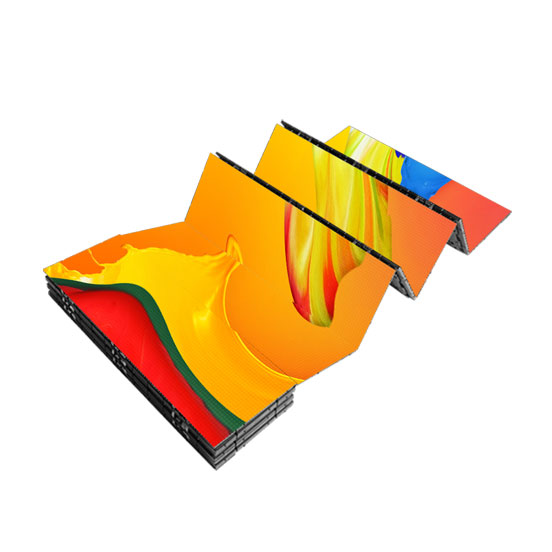
A thin flexible LED screen is a type of flexible LED display that uses soft, bendable materials to allow the screen to curve, fold, or wrap around surfaces. Unlike traditional rigid LED panels, these displays are designed to adapt to non-flat structures such as columns, curved walls, or creative installations.
Ultra-thin and lightweight structure
Flexible PCB (Printed Circuit Board) design
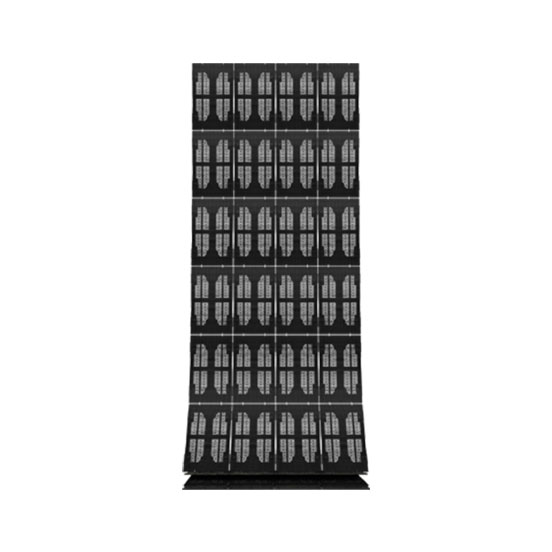
Modular LED panels
Magnetic or front-service installation options
This type of flexible LED screen display is widely used in modern digital signage due to its adaptability and visual impact.
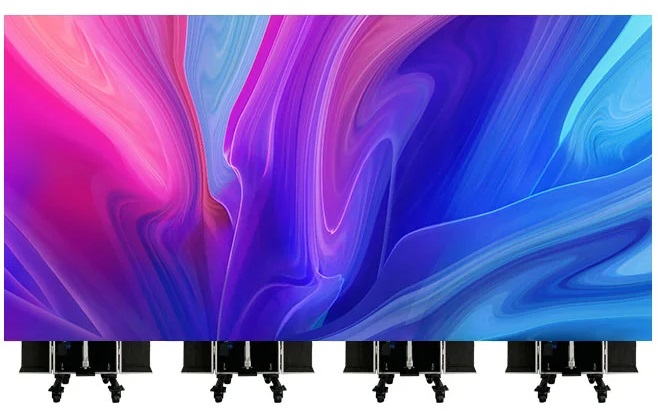
A thin LED screen operates using light-emitting diodes (LEDs) arranged on a flexible circuit board. Each LED acts as a pixel, producing light independently to form images and videos.
LED Modules: Tiny RGB LEDs generate colors through light emission
Flexible Substrate: A soft PCB allows bending without damaging circuits
Control System: A controller sends signals to each pixel for content display
Power Supply: Provides stable energy for consistent brightness
Unlike LCD displays, flexible LED screens are self-emissive, meaning they do not require a backlight. This results in higher brightness, better contrast, and energy efficiency.
Thin flexible LED displays are engineered with advanced features that set them apart from conventional displays.
These screens are significantly thinner than traditional LED panels, making them ideal for space-constrained installations.
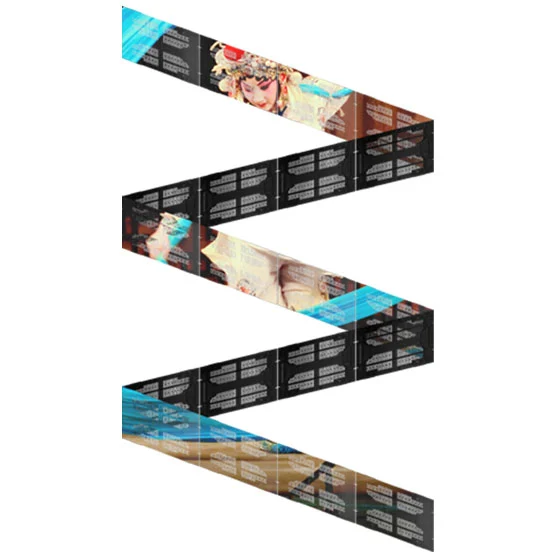
They can bend into convex, concave, or even wave shapes, enabling creative display designs.
Reduced weight simplifies transportation and installation.
Modules can be connected without visible gaps, creating a continuous visual experience.
Many models support front access, reducing maintenance complexity.
Flexible LED displays allow designers to break free from flat surfaces and create unique visual experiences.
Curved and dynamic displays capture attention more effectively than traditional screens.
Thin and lightweight design makes them ideal for compact or complex environments.
Flexible modules can adapt to structures without extensive modifications.
High-quality LED components ensure stable performance over time.
Flexible LED screens are widely used across multiple industries:
Storefront displays
Brand showcases
Shopping mall installations
Stage backgrounds
Trade show booths
Immersive experiences
Curved walls
Columns and ceilings
Creative installations
Studio backdrops
Virtual production environments
| Feature | Thin Flexible LED Screen | Traditional LED Screen |
|---|---|---|
| Structure | Flexible, bendable | Rigid panels |
| Thickness | Ultra-thin | Thicker |
| Installation | Adaptable to curves | Requires flat surface |
| Weight | Lightweight | Heavier |
| Design Flexibility | High | Limited |
| Application | Creative & architectural | Standard displays |
Selecting the right flexible LED screen display requires evaluating several factors:
Choose smaller pixel pitch for close viewing and higher resolution.
Determine how much bending or shaping is needed for your installation.
Indoor vs outdoor conditions will affect brightness and protection level.
Ensure the display fits your design concept and available space.
Working with a trusted flexible LED display manufacturer like ONUMEN ensures product quality, technical support, and long-term performance.
A flexible LED screen is a display made of bendable LED modules that can curve or wrap around surfaces. It is commonly used for creative and non-flat installations where traditional screens cannot fit.
Thin flexible LED screens offer lightweight design, high flexibility, and seamless visuals. They are ideal for creative displays and environments requiring unique shapes or space-saving solutions.
You should consider pixel pitch, flexibility requirements, installation environment, and manufacturer reliability. Choosing a trusted flexible LED display manufacturer like ONUMEN helps ensure quality and performance.
The thin flexible LED screen is redefining the future of digital displays by combining flexibility, performance, and creative potential.
Compared to traditional displays, flexible LED screens provide:
Greater design freedom
Better adaptability
Enhanced visual impact
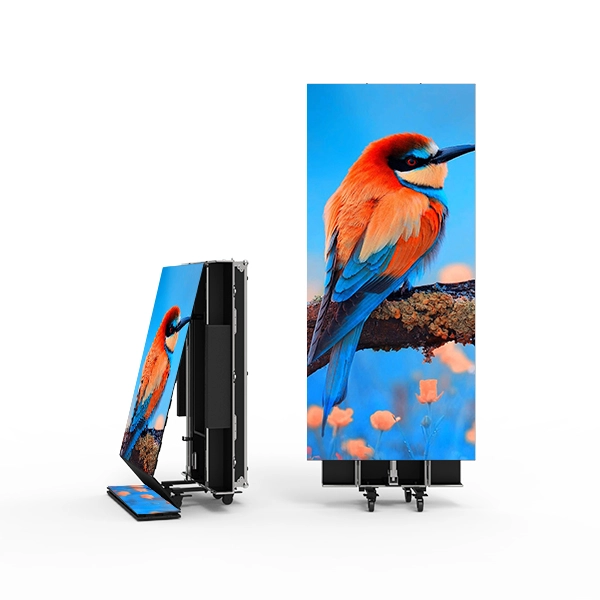
As technology continues to advance, solutions like foldable and modular flexible displays will become even more important in industries ranging from retail to entertainment.


 中文
中文 English
 日本語
日本語 한국어
한국어 français
 Deutsch
 Español
 русский
 português
 العربية
 Nederland