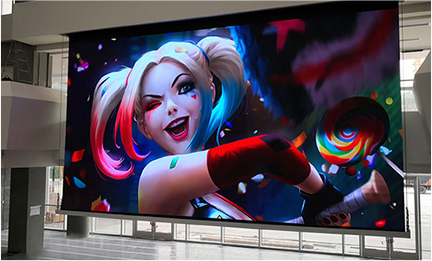
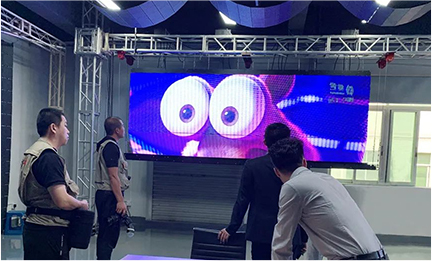
In today's digital-first world, large-format visual communication is evolving rapidly. Businesses, event organizers, and institutions are increasingly adopting LED splicing screens to deliver immersive, high-impact visual experiences.
But what exactly is a splicing screen? How does a splicing display differ from traditional screens? And why is screen splicing technology becoming the standard for modern display systems?
This comprehensive guide answers these questions while helping you choose the right LED splicing screen for your needs.
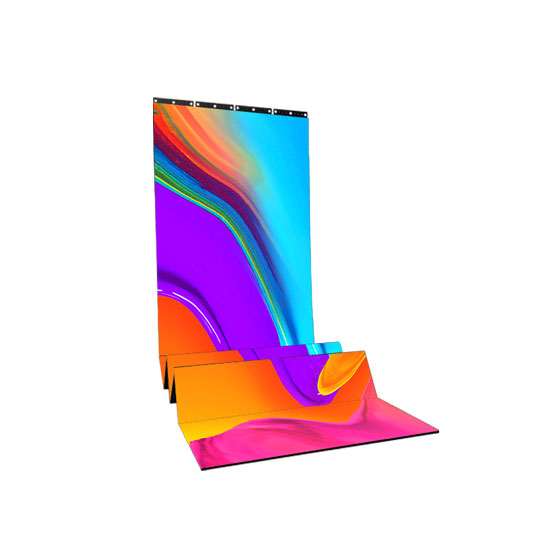
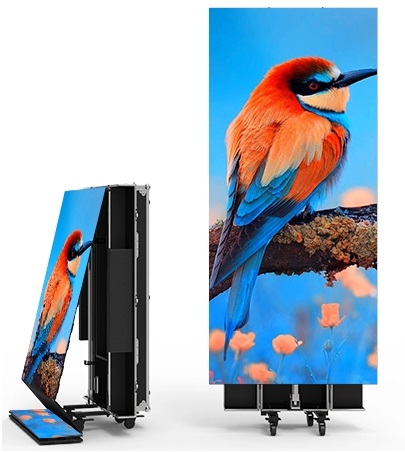
An LED splicing screen is a large-format display system created by combining multiple LED panels into a single, unified screen. These panels are seamlessly connected to display images and videos as one continuous visual surface.
Unlike traditional displays, LED splicing screens offer:
Seamless or near-seamless visuals
High brightness and contrast
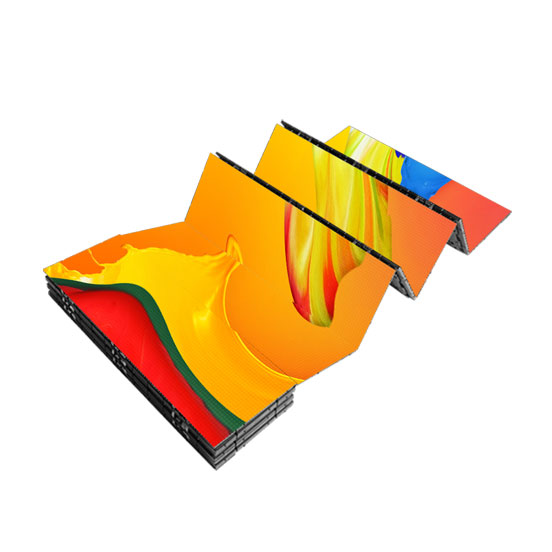
Flexible sizing and modular design
Long-term stability
| Feature | Splicing Screen | Traditional Display |
|---|---|---|
| Size scalability | Unlimited | Fixed |
| Seam visibility | Minimal or none | Not applicable |
| Brightness | Very high | Moderate |
| Flexibility | Modular | Limited |
This modular nature makes screen splicing ideal for creating custom-sized video walls for diverse applications.
Seamless splicing technology refers to the ability to combine multiple display panels so that the seams between them are invisible or nearly invisible to the human eye.
Modern LED systems achieve this through:
Precision panel alignment
Advanced calibration (color, brightness, contrast)
Digital processing units (DPUs)
Pixel-level correction
When executed properly, the result is a single continuous display with no visual interruption, ensuring smooth video playback and immersive viewing.
LED splicing screens offer significant advantages over traditional LCD splicing displays and standalone screens.
Unlike LCD video walls that may show bezels, LED splicing screens provide gap-free visuals, improving immersion and professionalism.
LED displays maintain excellent visibility even in bright environments, making them suitable for indoor and outdoor use.
You can build screens of virtually any size or configuration, including:
Curved screens
Large-scale video walls
Creative installations
Each LED pixel emits its own light, enabling:
Better color accuracy
Higher contrast ratios
More vivid images
LED systems are designed for long-term operation with stable performance across years of use.
LED splicing screens are widely used across industries due to their versatility.
Shopping malls
Outdoor billboards
Retail displays
These screens attract attention and deliver impactful advertising content.
Concerts
Exhibitions
Conferences
They create immersive backdrops and dynamic stage visuals.
Security surveillance
Traffic management
Command centers
Large splicing displays allow real-time data visualization.
Smart classrooms
Meeting rooms
Presentation halls
They enhance communication and collaboration.
Stadium screens
Live broadcasting
Fan engagement display
Based on Onumen's product direction, modern LED splicing solutions emphasize:
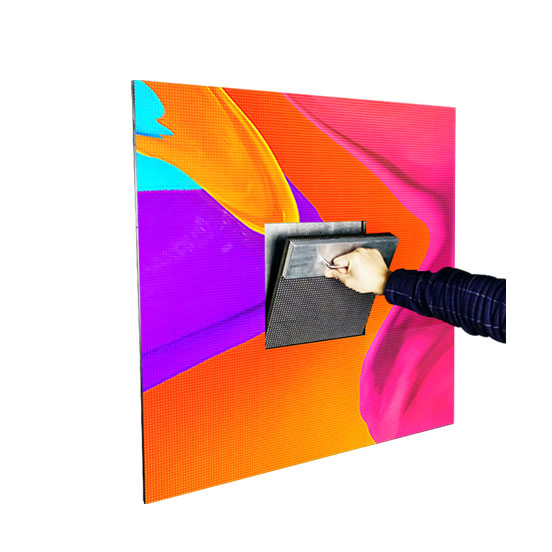
Fast installation (plug-and-play design)
Lightweight modular panels
Quick locking systems for rapid deployment
High portability for events and rentals
These features are especially valuable for:
Event companies
Rental businesses
Temporary installations
Here are the essential features to look for:
Seamless splicing capability
High refresh rate (≥3840Hz)
Wide viewing angle
Energy efficiency
Modular design
Intelligent control systems
These features ensure both performance and long-term reliability.
You should choose an LED splicing screen when you need a large, seamless, and visually impactful display solution. It is especially suitable for advertising, events, and control rooms where high brightness and scalability are essential.
To choose the right LED splicing screen, you should consider factors such as pixel pitch, installation environment, brightness requirements, maintenance method, and budget. Evaluating these elements ensures the display meets both performance expectations and long-term usage needs.
The main features of an LED splicing screen include seamless LED screen performance, high brightness, and modular scalability. It also offers superior color performance and a long lifespan, making it ideal for professional applications.
The LED splicing screen is redefining how we deliver visual content. With seamless splicing, superior brightness, and flexible configurations, it has become the preferred solution for modern display needs.
Whether you're building a splicing display for advertising, events, or control systems, choosing the right screen splicing solution ensures maximum impact and long-term value.


 中文
中文 English
 日本語
日本語 한국어
한국어 français
 Deutsch
 Español
 русский
 português
 العربية
 Nederland