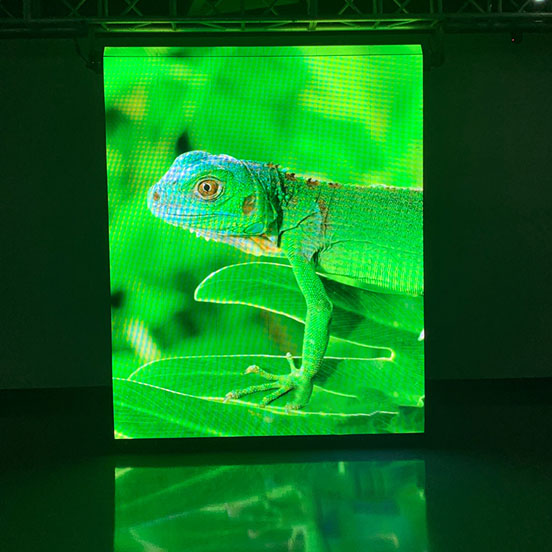
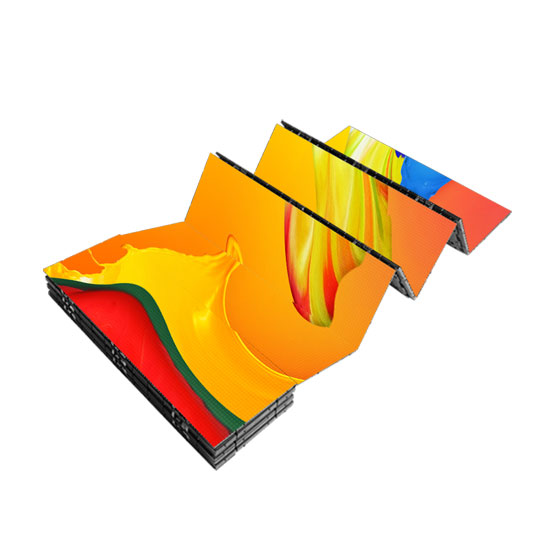
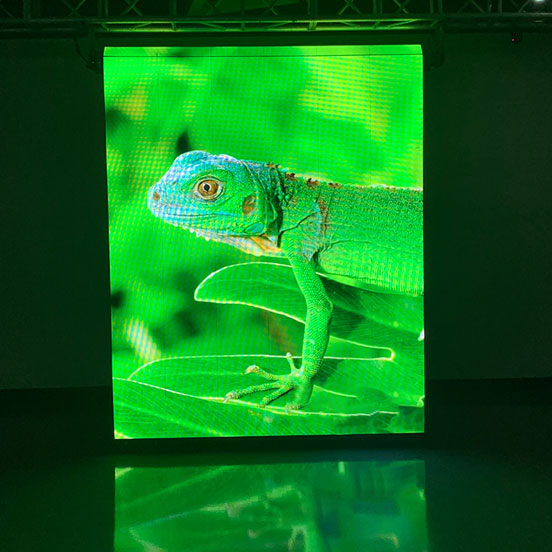
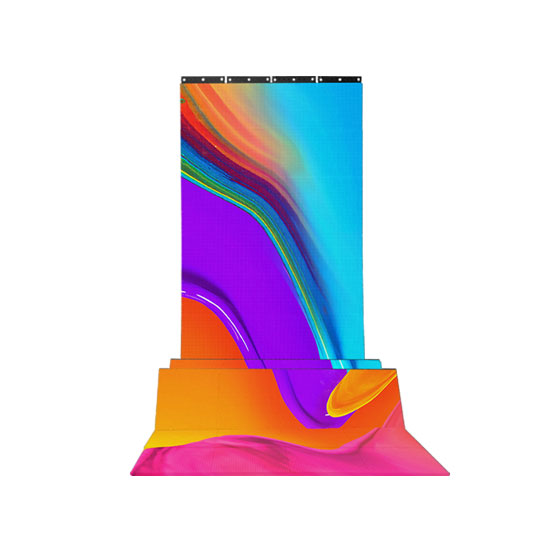
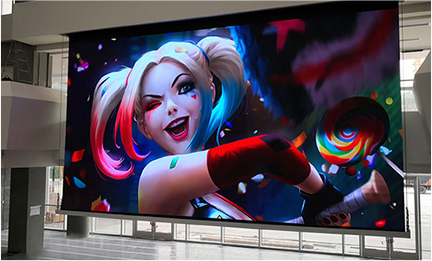
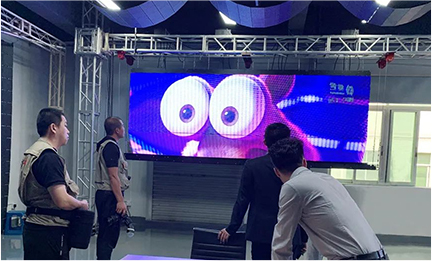
For temporary events and stage productions, installation time is often limited by how much equipment must be assembled, aligned, connected, and tested before the show begins. A foldable LED screen reduces several of these steps by using a lightweight, foldable structure designed for faster hanging, splicing, mounting, and maintenance.
The benefit is not simply that the screen can fold. The real value of foldable screen technology is that it changes the entire installation workflow, which is particularly useful for concerts, conferences, exhibitions, touring shows, and rental projects where displays are repeatedly installed and removed.
Traditional LED walls rely heavily on rigid cabinets. Building a large stage backdrop normally requires technicians to lift individual cabinets, secure each connection, complete power and signal wiring, and repeatedly check alignment.
A foldable display reduces the amount of heavy cabinet construction involved. ONUMEN's foldable LED system uses an ultra-thin, lightweight structure and standardized installation methods designed for large-scale deployment. Individual units also integrate receiving cards, helping simplify screen splicing during installation.
For production crews working against a fixed venue schedule, fewer repetitive mechanical steps can make a significant difference during both setup and dismantling.
Hanging installation is common when an LED screen needs to become a stage backdrop without occupying valuable floor space.
With ONUMEN's vertical suspending method, installers prepare the hanging beam, position the screen headers, mount the control boxes, complete signal and power connections, adjust module spacing, and then perform final testing.
The advantage is that the lightweight screen sections can be suspended directly rather than requiring a large rigid cabinet wall to be constructed first.
This can be especially useful for:
concert stage backdrops;
product launch events;
conference stages;
touring productions;
exhibition installations.
A lighter system also reduces handling effort during positioning, although the supporting structure and rigging capacity must still be professionally evaluated for every project.
Yes. Depending on the application, magnetic mounting provides another installation option.
ONUMEN's magnetic fixing method uses a compatible mounting frame. The LED screen sections attach to the frame with built-in magnets and can also be secured with screws where additional mechanical fixing is required.
This approach can reduce the complexity of building a conventional cabinet support structure, particularly for advertising and other fixed or semi-permanent applications.
It also shows why foldable screen technology should not be viewed simply as a flexible version of an ordinary LED panel. The installation system itself is part of the product design.
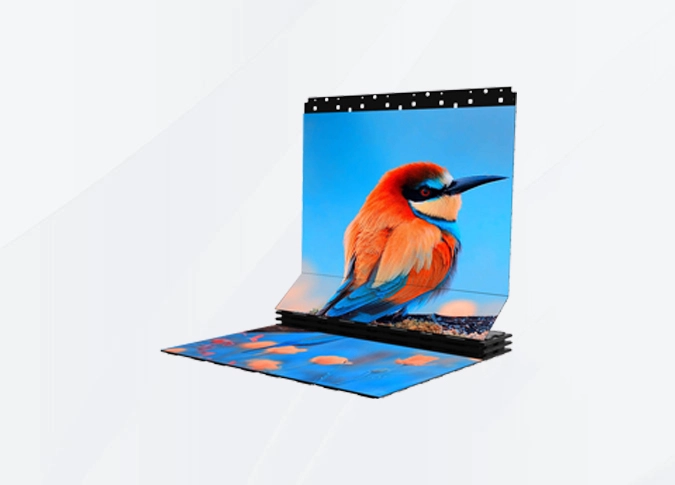
Weight directly affects how quickly an installation team can move and position screen components.
ONUMEN states that its lightweight foldable LED screen structure is approximately 14 mm thick and weighs about 12 kg, helping reduce the physical burden of installation and the size of the supporting structure.
For an event production company, this can influence several operational areas at once:
manual handling;
rigging preparation;
transportation;
backstage storage;
dismantling efficiency.
When equipment moves between venues every few days, even relatively small improvements in handling efficiency can become important over the life of the screen.
Installation speed matters, but so does the time required to solve problems once the screen is operating.
ONUMEN's foldable LED screen supports both front and rear maintenance depending on the installation method. Individual module boards can therefore be accessed and replaced without dismantling the entire display. The system also uses dual connector interfaces intended to simplify module maintenance and replacement.
For stage and rental applications, this is particularly important because technical teams often have only a short window between system testing and audience entry.
A display that installs quickly but is difficult to repair can still create unnecessary event risk.
Yes, provided the display specifications and structural system match the project.
Large stages require more than simple portability. Installers must still consider screen dimensions, pixel pitch, audience viewing distance, rigging loads, signal distribution, power supply, brightness, and camera requirements.
The foldable structure primarily improves the physical deployment process. It does not remove the need for proper engineering or final screen calibration.
ONUMEN's foldable system includes standardized installation structures, modular maintenance, magnetic and screw mounting options, and a load-bearing design intended to support larger installations.
For production teams, this combination can make a foldable display more practical than simply choosing the lightest possible screen.
The benefit becomes greatest when the screen is installed repeatedly.
A permanent LED wall may only be assembled once. A rental screen used for concerts, exhibitions, conferences, and touring events can be installed dozens of times during its service life.
In these situations, reducing installation work can help lower cumulative labor requirements and shorten venue changeovers. Foldable LED systems are also easier to transport and deploy between locations than conventional bulky display structures.
This means buyers should evaluate more than initial screen cost. Setup time, crew requirements, transport frequency, maintenance access, and dismantling time all contribute to the real operating cost of an event display.
A foldable LED screen reduces installation time by simplifying the physical structure behind large event displays. Lightweight construction, hanging installation, magnetic mounting, integrated receiving cards, and front or rear maintenance can all make setup more efficient.
For concerts, exhibitions, rental projects, conferences, and touring productions, the main advantage of foldable screen technology is therefore operational: crews can spend less time building the display and more time preparing the complete production.
A conventional rigid LED wall may still be suitable for permanent installations, but where displays are frequently transported, installed, serviced, and dismantled, a foldable display can provide a more efficient approach.
Installation depends on the application. Common methods include vertical hanging from a beam or magnetic fixing to a compatible frame. Power, signal connections, screen alignment, and final testing are still required.
Yes. ONUMEN's system supports front or rear maintenance depending on the installation method, allowing individual module boards to be replaced without removing the complete screen.
Evaluate screen size, pixel pitch, viewing distance, brightness, installation method, rigging conditions, transport frequency, maintenance access, and whether the project is indoor or outdoor.


 中文
中文 English
 日本語
日本語 한국어
한국어 français
 Deutsch
 Español
 русский
 português
 العربية
 Nederland