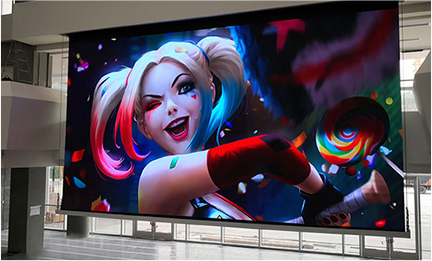
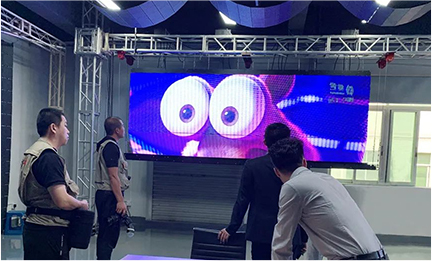
In today's performance market, stage LED display screen has become an indispensable part. This high-tech display technology brings unprecedented visual effects to stage performances, making the audience feel like they are in a fantastical dream. However, the installation of concert LED screen is a complex and precise task. Only by mastering the correct installation methods can we better meet the needs of different occasions and performances, thus flexibly adapting to various stage layouts and performance forms. Do you know how to install concert LED screen? Below, ONUMEN will introduce it to you:
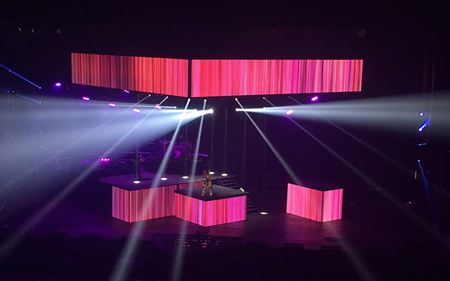
Here are steps to install concert LED screen:
Before installing concert LED screen, it is necessary to fully understand the structure and layout of the stage, including the height, width, shape, lighting equipment, etc. Based on the actual situation of the stage, develop a suitable installation plan for concert LED screen, including installation location, angle, height, etc. At the same time, prepare the necessary tools and materials, such as ladders, screwdrivers, wrenches, steel wires, etc.
According to the installation plan, install the brackets of large LED screens for concerts in the appropriate position. The bracket must be stable and reliable, able to bear the weight of stage LED display screen and the influence of various environmental factors. During the installation process, pay attention to the level and verticality of the bracket, ensuring the screen is flat and stable.
Connect the power cord of big LED screen for stage to a suitable power outlet, ensuring stable power voltage and compliance with equipment requirements. When connecting power, pay attention to the quality and safety of the power cord to avoid issues like leakage or short circuits.
After installation, it is necessary to debug stage LED display screen to ensure the normal operation of the screen. Debugging includes brightness, color, clarity, etc. Also, check for dead pixels or defects on the screen.
In conclusion, the above are the steps to install stage LED display screen. The installation of stage LED display screen requires professional technicians and appropriate equipment, as well as attention to safety and stability. Only through professional installation and debugging can the normal operation and performance of stage LED display screen be ensured.
Concert LED screens work by combining thousands of LED pixels into large modular panels that display live video, graphics, lyrics, branding, and camera feeds in real time. Modern concert LED screens use advanced video processors and high refresh rates to deliver clear visuals even under strong stage lighting or outdoor daylight conditions.
For large-scale events, stage screens for concerts are usually synchronized with lighting systems, media servers, and live broadcast cameras to create an immersive audience experience. High-quality LED walls also reduce viewing blind spots, helping audiences see performers clearly from long distances.
The large display used behind or beside performers is commonly called a concert LED screen, or stage LED wall. Depending on the setup, it may also be referred to as a backdrop LED wall, side screen, IMAG screen (Image Magnification), or touring LED display.
Indoor concerts often use fine-pitch LED screens for sharper visuals, while outdoor festivals typically use weatherproof high-brightness LED panels designed for visibility in sunlight and rain.
LED screens are used in concerts to improve audience engagement, visibility, and stage impact. A professional concert LED screen allows every attendee — even those far from the stage — to see performers, visual effects, and live content clearly.
Modern stage screens for concerts also help event organizers:
Create immersive visual storytelling
Display sponsor branding and advertisements
Enhance livestream and social media content
Increase audience interaction with dynamic visuals
Compared with traditional projection systems, LED screens provide higher brightness, better contrast, and more reliable performance for touring productions.
The best LED screen size depends on venue size, audience distance, and stage design. Small indoor performances may use compact LED walls, while stadium concerts often require giant modular stage screens for concerts that span the full stage width.
Key factors include:
Viewing distance
Pixel pitch requirements
Indoor vs. outdoor usage
Camera broadcasting needs
Stage rigging capacity
For professional concerts, many production teams choose scalable concert LED screen systems that can be customized for festivals, arenas, and touring events without sacrificing image quality.
Choosing the right supplier is critical for performance reliability and audience experience. A trusted concert LED screen manufacturer should offer:
High refresh rate and color accuracy
Touring-grade cabinet durability
Fast installation and maintenance
Technical support for live events
Indoor and outdoor stage solutions
Experienced suppliers of stage screens for concerts can also recommend the correct pixel pitch, brightness level, and control system based on your venue, camera setup, and production goals. Reliable LED solutions help reduce downtime while delivering a premium concert experience that attracts audiences and sponsors alike.


 中文
中文 English
 日本語
日本語 한국어
한국어 français
 Deutsch
 Español
 русский
 português
 العربية
 Nederland