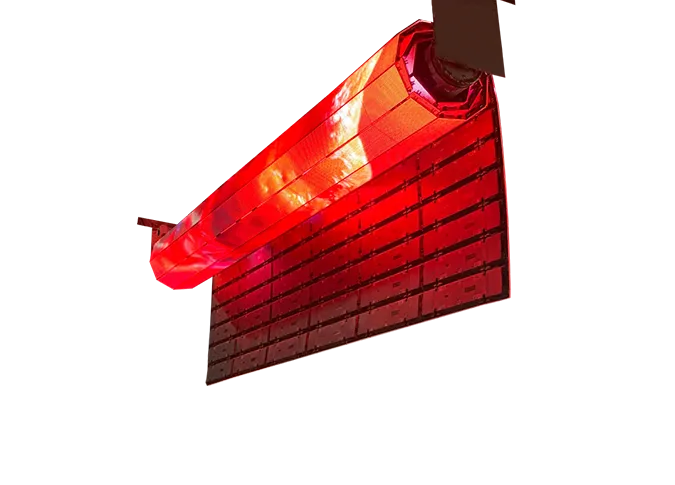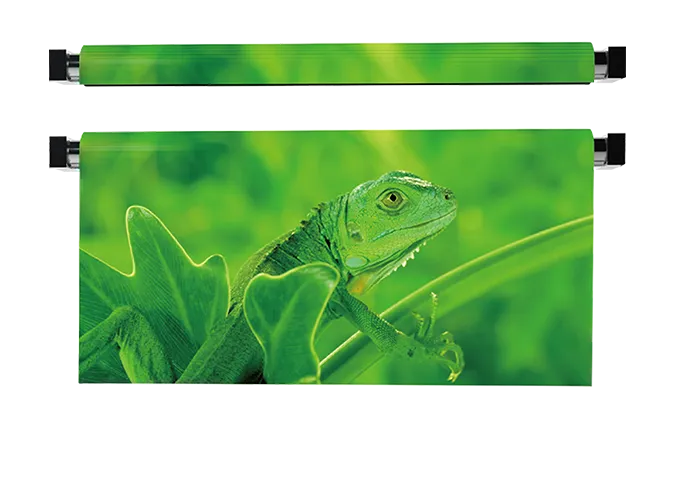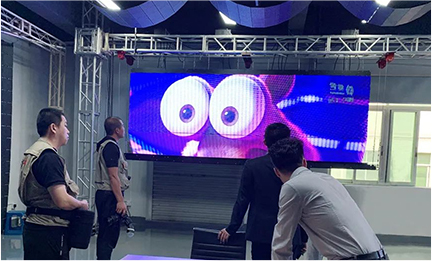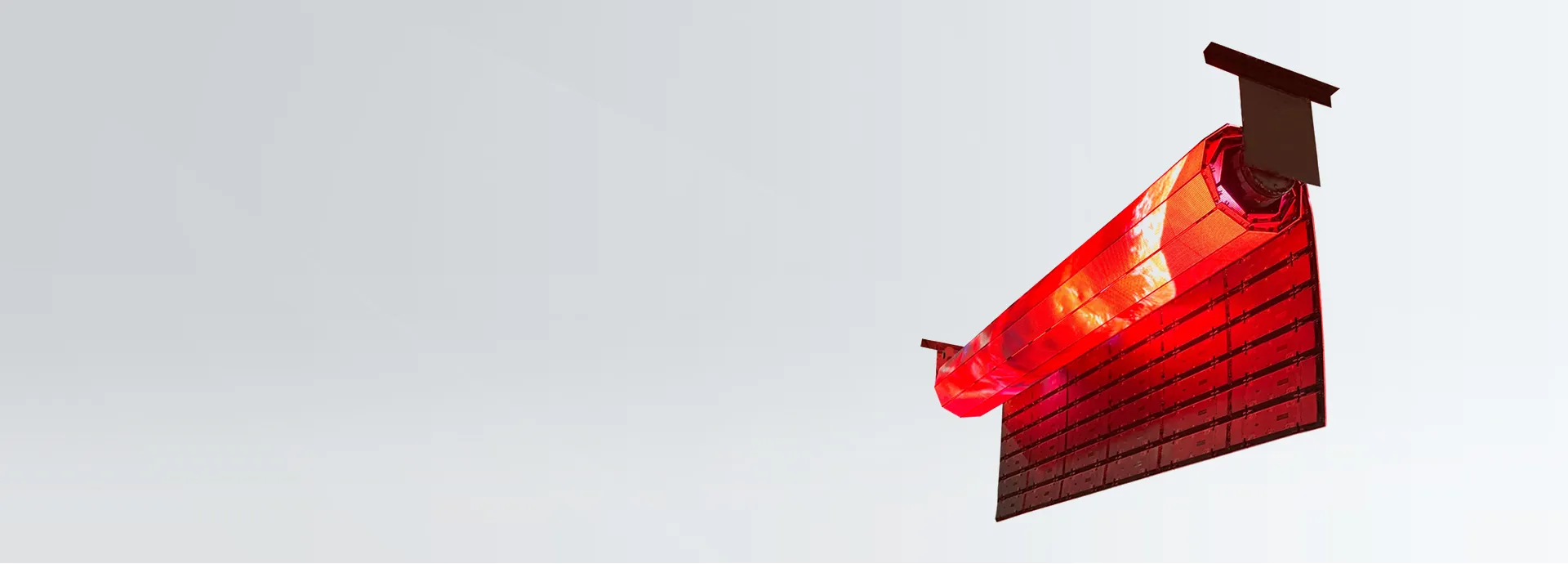
Rolling LED Screen is an innovative rollable display product developed by ONUMEN. By combining a flexible structure with mechanical reel technology, it achieves seamless rolling and unrolling just like a window shade. The product is lightweight, ultra-thin, space-saving, and easy to install, making it suitable for a wide range of display scenarios. It delivers a more flexible and efficient visual solution for users.

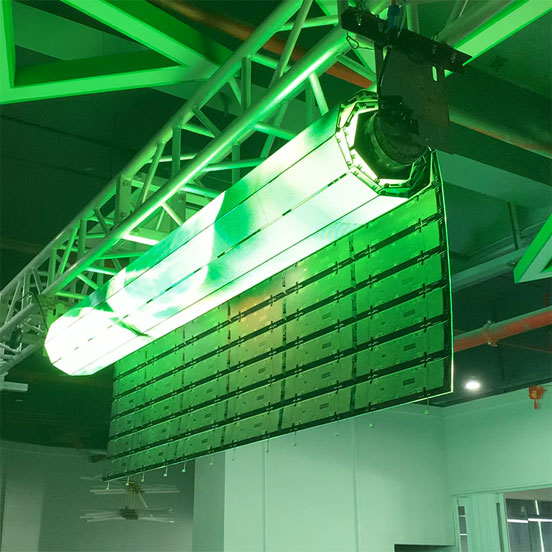
1. Flexible Rollable Design: The screen rolls up and unfolds freely like a window shade, saving space and enabling fast deployment. It is ideal for environments that require concealed installation and frequent display switching.
2. One-Touch Intelligent Lift Control: Supports one-touch lifting and lowering for quick activation and seamless display switching, significantly improving operational efficiency and ease of use.
3. Ultra-Lightweight Structure for Easy Installation: Its lightweight design allows installation without complex steel frameworks, reducing construction costs and making it suitable for various architectural and indoor spaces.
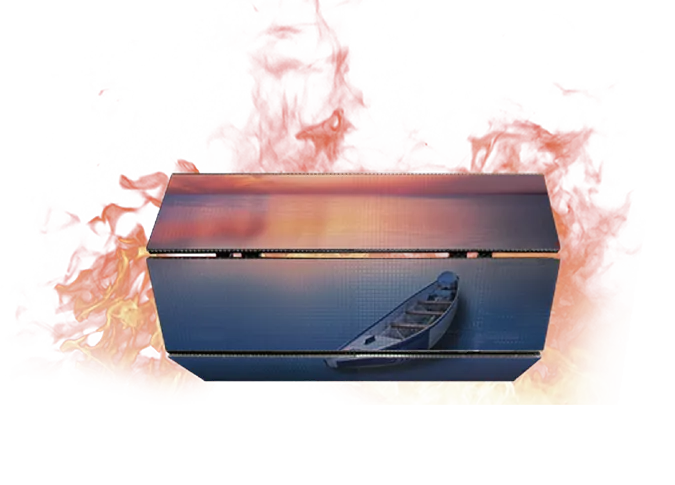
4. High Protection, Stable and Durable: Designed with waterproof, dustproof, sun-resistant, and moisture-proof features, it performs reliably in complex environments to ensure long-term display stability.
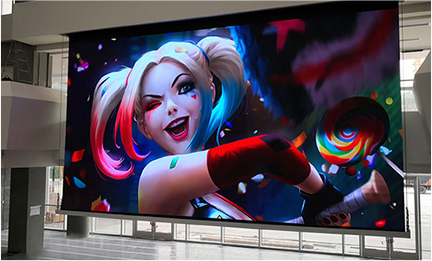
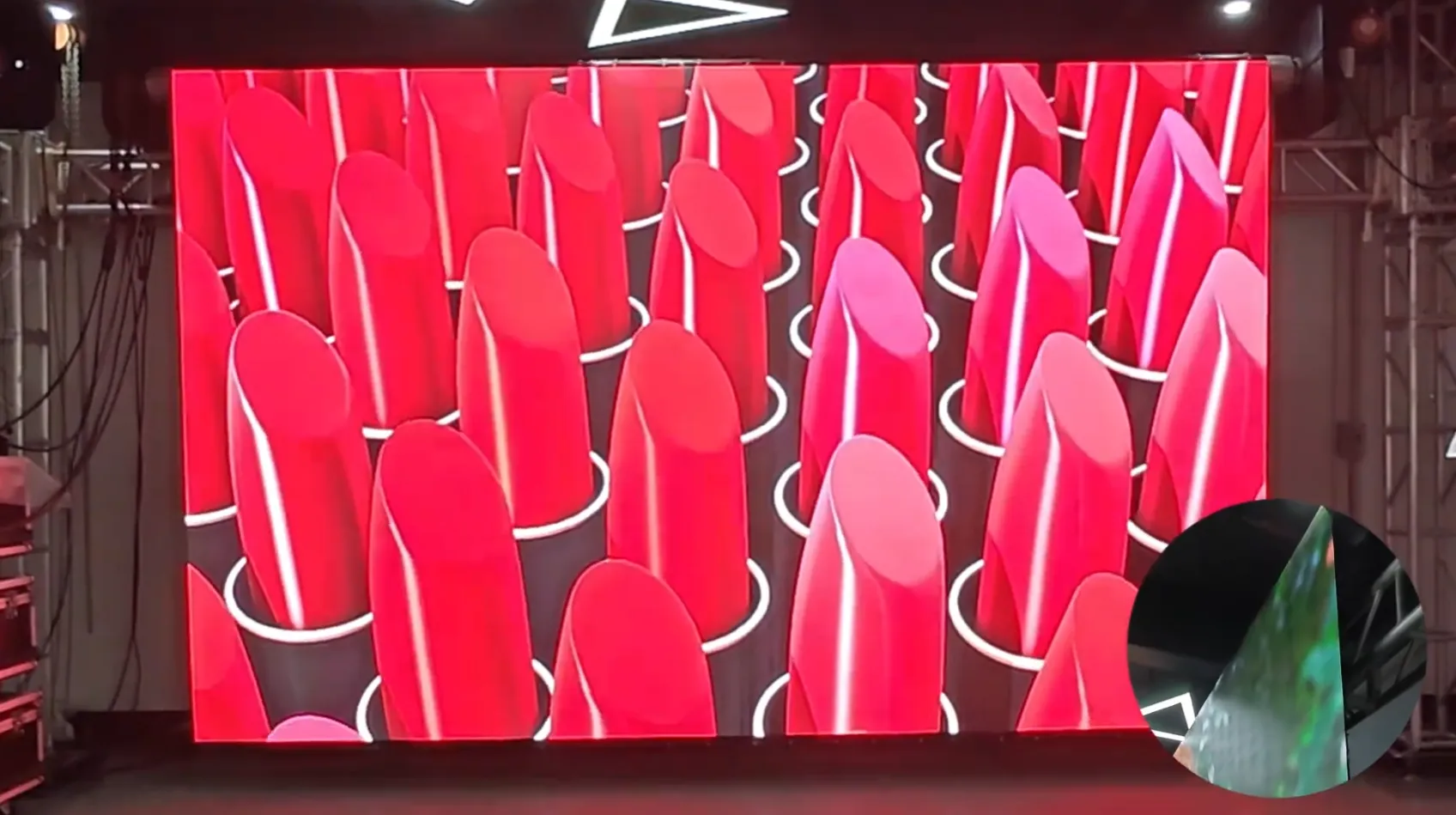
5. Fine Display Quality with Ultra-Wide Viewing Angle: Equipped with high-brightness, high-definition display technology and an ultra-wide viewing angle, delivering clear visuals regardless of viewing position or lighting conditions.
6. Strong Compatibility for Multi-Scenario Applications: Ideal for malls, schools, meeting rooms, exhibition halls, and more—supporting diverse display needs including presentations, promotions, and event showcases.

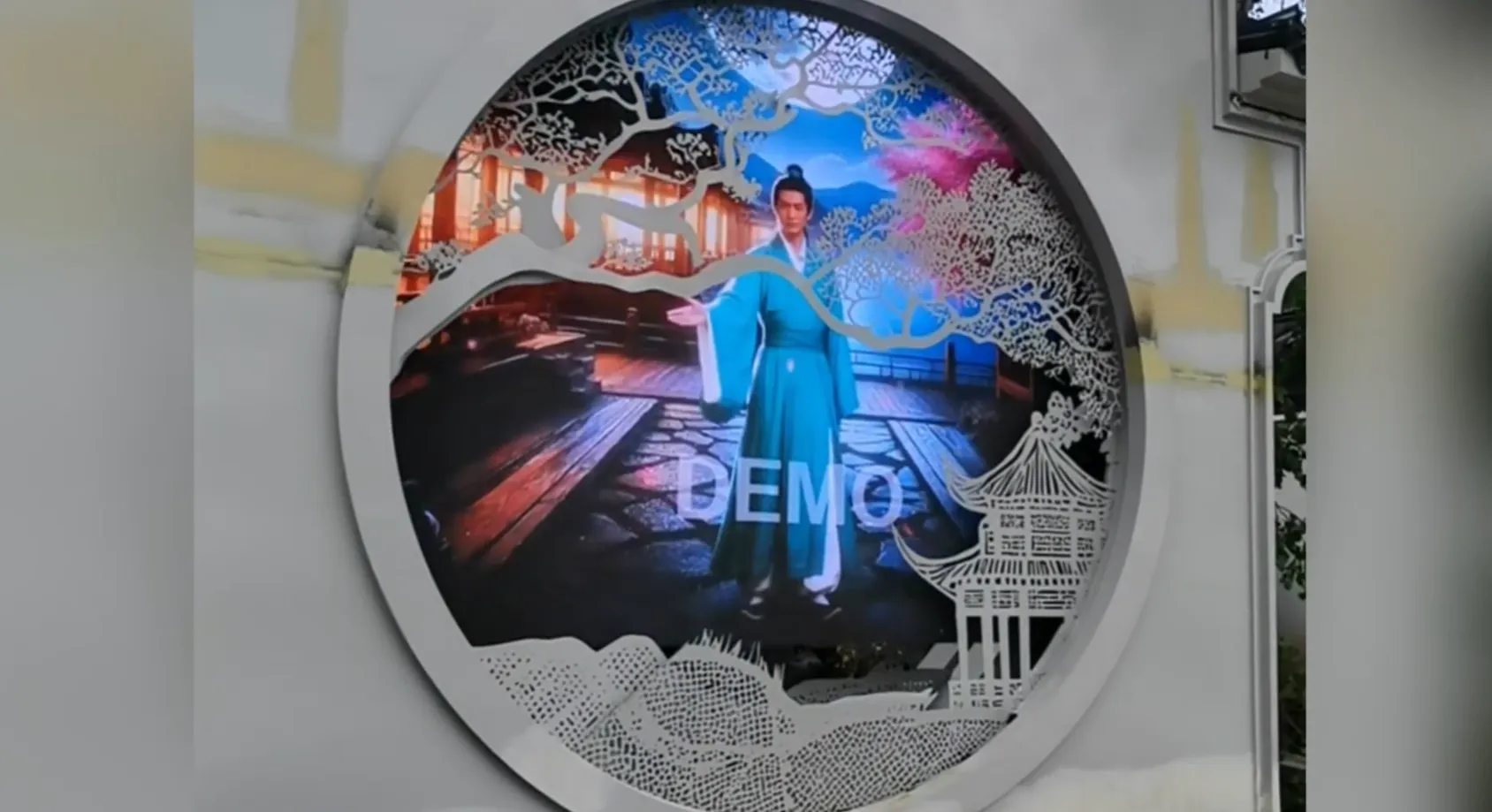
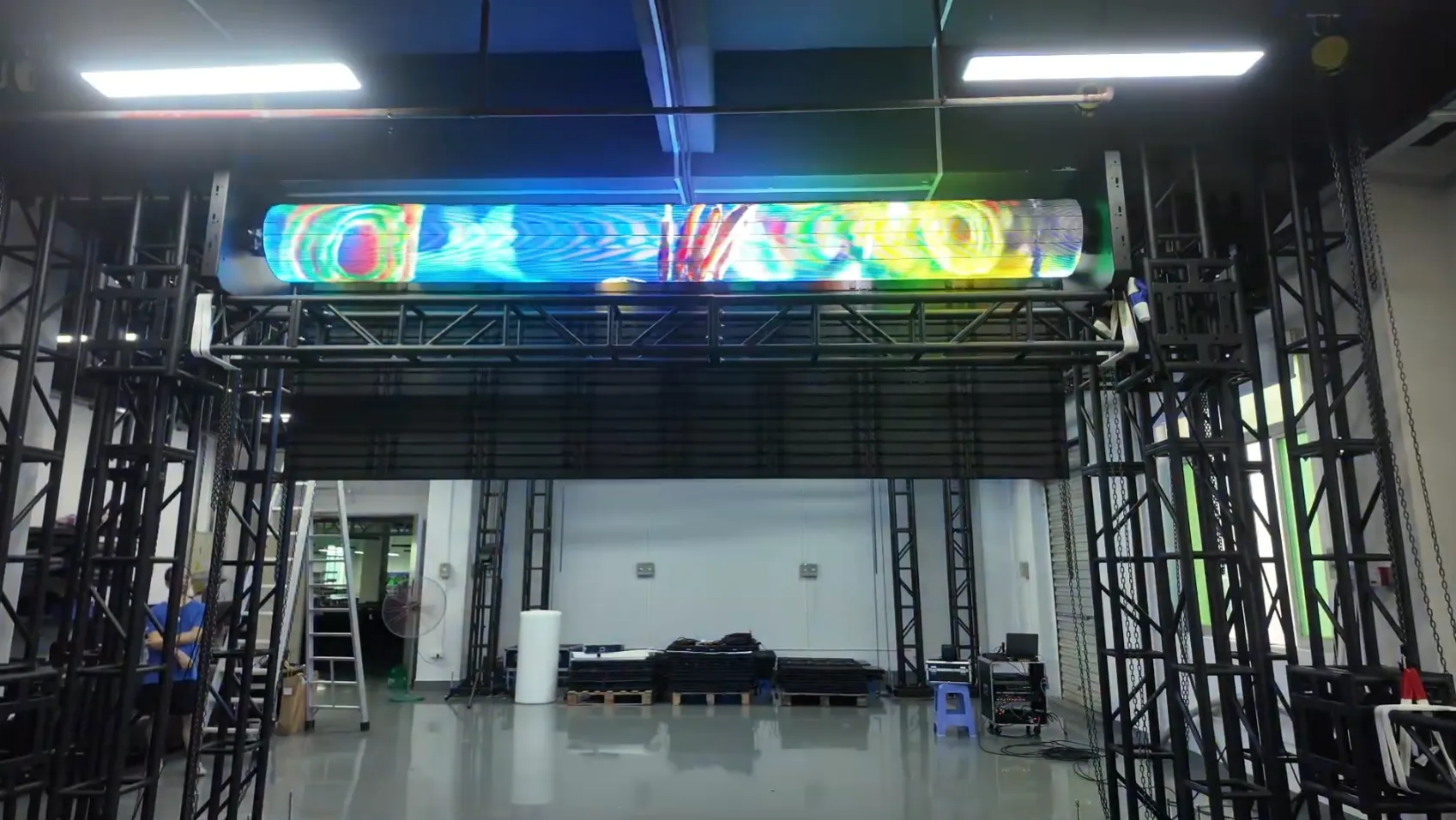
Precision Installation of the Core Roller Unit:
Determine the suspension points or mounting surface based on structural drawings. Install the roller unit using professional anchor fittings and perform millimeter-level horizontal calibration.
Integration of Power and Control Systems:
Set up the main power supply and signal pathways, then connect the driver power units, control boxes, and limit modules. Complete system cascading and protective grounding.
Mounting of the Rollable LED Screen Modules:
Sequentially attach the LED roll-up screen modules to the bottom beam structure, ensuring all interface locks are secure. Adjust the curling tension and flatness of the unfolded surface.
Intelligent Control System Debugging:
Configure travel distance, upper/lower limits, and lifting speed through the control system. Perform standardized calibration of brightness and color.
Full-System Reliability Testing:
Conduct multiple rounds of automated lifting, rolling, and long-duration display tests. Ensure the structure, transmission system, and display performance are stable and reliable before final deployment.



 中文
中文 English
 日本語
日本語 한국어
한국어 français
 Deutsch
 Español
 русский
 português
 العربية
 Nederland