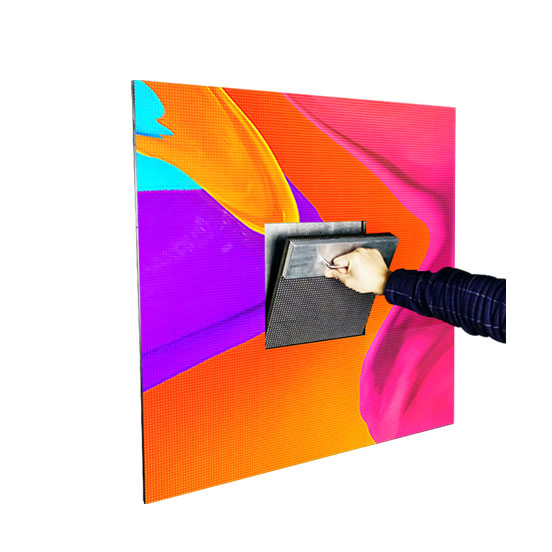
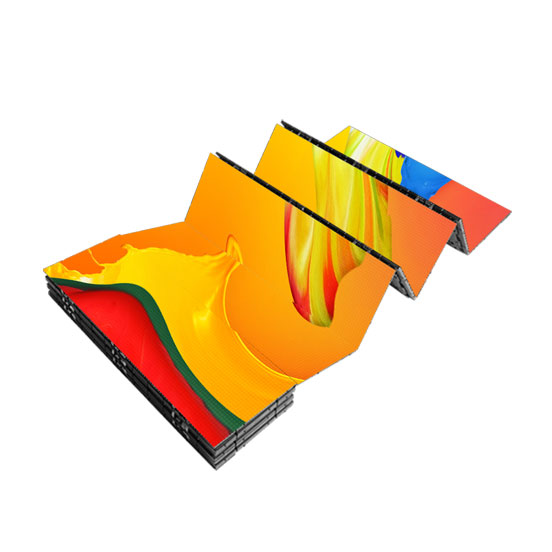
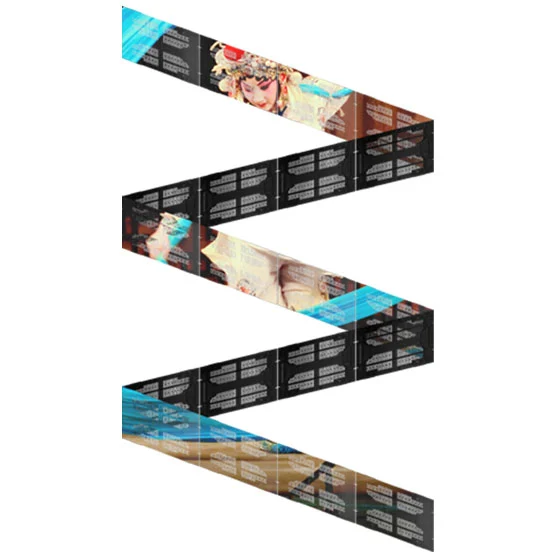
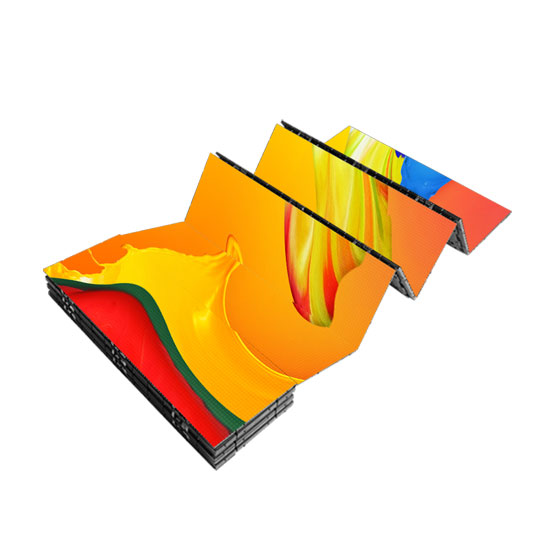
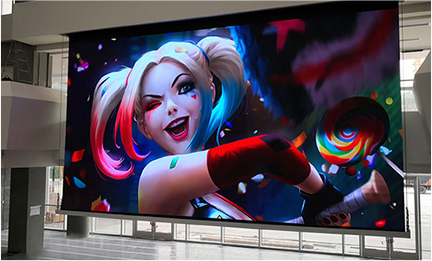
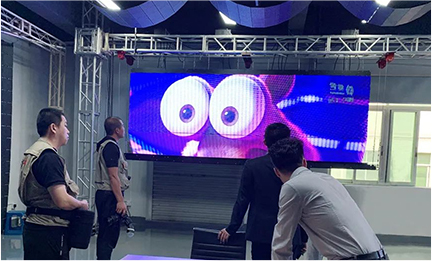
The evolution of display technology has reached a new milestone with the rise of the LED roller screen—a flexible, space-saving, and visually powerful solution redefining how digital content is presented. Also known as LED roller shutter screen, this innovative display technology is rapidly gaining traction across retail, architecture, events, and smart cities.
In this comprehensive guide, we will explore how rolling LED displays work, their features, applications, and advantages—while providing expert insights to help you choose the right solution from a professional LED screen manufacturer like ONUMEN.
An LED roller screen is a flexible LED display that can be rolled up and down like a curtain or shutter. Unlike traditional rigid LED panels, it uses a modular, flexible structure that allows it to be stored compactly when not in use.
This type of rollable LED screen combines lightweight materials, flexible PCBs, and advanced control systems to deliver high-quality visuals while offering unprecedented mobility and installation flexibility.
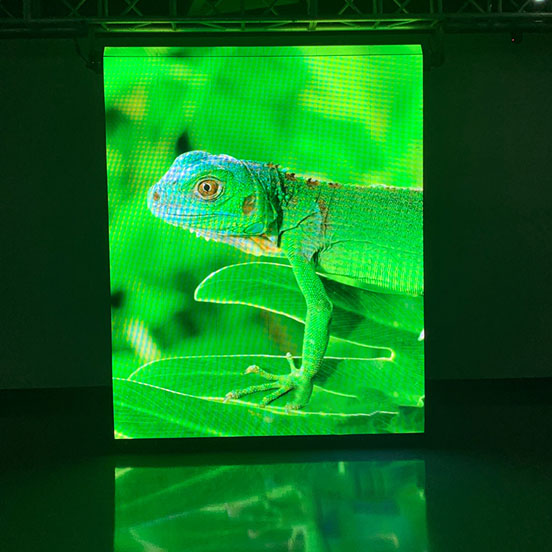
Modern rolling LED screens are engineered with advanced features that make them superior to traditional LED displays in many scenarios.
The defining feature of a rollable LED display is its ability to roll into a compact form. This makes transportation, storage, and installation significantly easier.
Compared to traditional LED cabinets, rolling LED screens use lightweight materials, reducing structural load requirements.
These screens can be installed or dismantled in minutes, making them ideal for temporary events and dynamic environments.
Despite their flexibility, modern LED roller screens deliver:
High resolution
Excellent brightness
Wide viewing angles
When not in use, the screen can be rolled up, freeing up valuable space.
High-quality solutions from manufacturers like ONUMEN ensure:
Long lifespan
Stable performance
Resistance to environmental factors
The rolling LED screen LED display working principle is based on flexible electronic design and mechanical rolling systems.
Flexible LED modules
Rolling mechanism (motorized or manual)
Control system
Power supply
The LED modules are mounted on flexible substrates.
These modules are connected through a continuous signal and power system.
The screen rolls onto a shaft using a motor or manual system.
When deployed, the screen unrolls smoothly and displays content seamlessly.
The versatility of LED roller shutter screens makes them suitable for a wide range of industries.
Window displays
Dynamic advertising
Space-saving promotions
Transparent façade displays
Media architecture
Stage backgrounds
Temporary installations
Airports
Train stations
Public information displays
Branding displays
The ability to roll up the screen makes it ideal for environments where space is limited.
Smooth deployment and modern aesthetics improve audience engagement.
Reduced transportation, installation, and storage costs.
Suitable for both indoor and outdoor applications.
Creates futuristic and visually appealing environments.
When selecting an LED screen manufacturer, quality, reliability, and innovation are critical. ONUMEN stands out as a trusted provider of advanced LED roller screen solutions.
Advanced R&D capabilities
Customizable rollable LED screen solutions
Strict quality control
Global project experience
Competitive pricing
By choosing ONUMEN, businesses gain access to cutting-edge rolling LED technology backed by professional support and industry expertise.
A rolling LED screen is flexible, lightweight, and can be rolled up for storage, while traditional LED screens are rigid, heavier, and designed for permanent installations. Rolling LED screens offer greater portability and easier installation.
An LED screen that can be rolled up is called a LED roller screen or rollable LED screen. It uses flexible LED modules and a rolling mechanism to allow compact storage and easy deployment.
LED roller screens offer a space-saving design with rollable flexibility, making them easy to transport and quick to install in various environments. They also deliver high visual quality and versatile applications, making them ideal for both temporary and permanent display solutions.
The LED roller screen is transforming the display industry with its flexibility, efficiency, and modern design. Whether used in retail, events, or smart city applications, this innovative rolling LED solution offers unmatched advantages over traditional displays.
Partnering with a professional LED screen manufacturer like ONUMEN ensures access to high-quality, customizable solutions that meet the evolving demands of modern digital display environments.


 中文
中文 English
 日本語
日本語 한국어
한국어 français
 Deutsch
 Español
 русский
 português
 العربية
 Nederland